Film News: Harman Phoenix II rises
Back in 2023 (yeah, it has already been that long), Harman made the momentous step to release a new color film, Harman Phoenix. An developmental film that was marketed as a work in progress. The colors and handling of the film were interesting and made for some wild results. But that wasn’t the point. The point is that it was the first step in a new direction, and here is the next one. Harman Phoenix II rises…
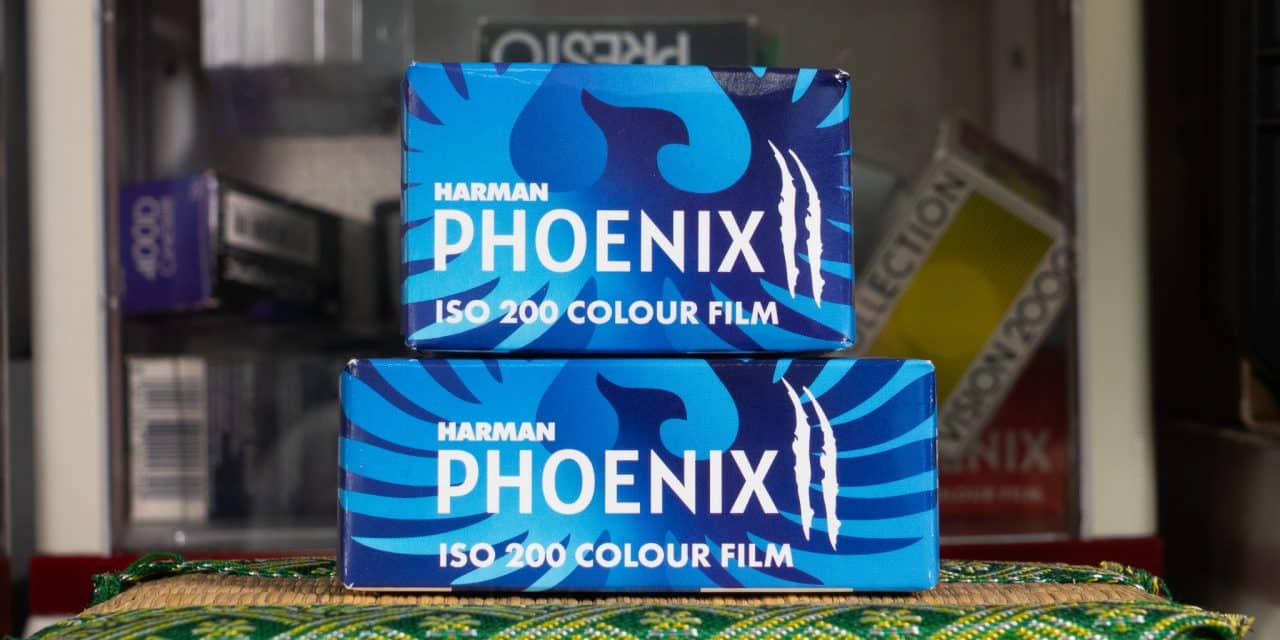
Introducing Harman Phoenix II
This is a completely new emulsion. It is not an improved version of the original Phoenix, this is a new film based on all of the lessons learned from the first film. The original Phoenix will still be available until stocks run out, then it will be Harman Phoenix II going forwards.
This film has made improvements to the grain, contrast and highlight detail/shadows. It has also been optimised for scanning to make our lives easier as I don’t know anyone that loves scanning. Well, maybe some of you do, chime in if you do.
Scroll to the bottom for the video.
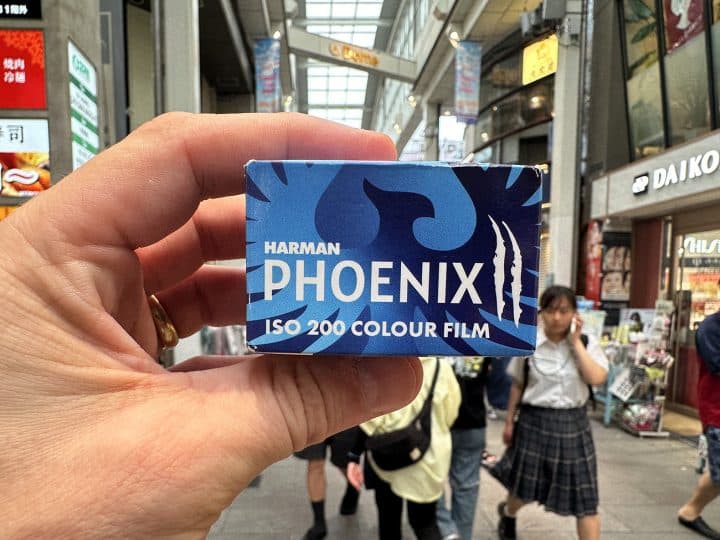
Some details here from Harman about the film:
HARMAN Phoenix II is our 2nd generation ISO 200, C41 process, colour negative film.
It can be used for any photographic subject with results dependent on ambient lighting conditions, colour palette, and exposure accuracy. Best results are typically obtained outdoors whilst metering for the mid-tones. On bright days, use of a UV filter will improve colour and clarity.
HARMAN Phoenix II is easily processed in C41 photo chemicals. The best overall results are generally obtained between EI 100 and EI 200 depending on scene brightness and contrast. Some exposure bracketing is advised particularly with high brightness scenes or more challenging exposure conditions.
HARMAN Phoenix II film is coated on 0.125mm/5-mil acetate base and is available in 36 exposure ISO 200 DX coded cassettes suitable for all 35mm cameras and in 120 Roll film format, edge numbered 1 to 19.
HOW DOES PHOENIX II COMPARE WITH PHOENIX I ?
Compared to the original Phoenix film, Phoenix II has a more normal contrast, colour balance and finer grain. It also has a wider exposure latitude and is more flexible and less radical than original Phoenix, yet still offers a different look and feel to mainstream colour films and should still be considered a creative, experimental film.
The film can exhibit halation in high contrast lighting and lack of an orange mask means the colour rendition can be unusual compared with an established colour film.
Negatives have a purplish appearance when processed in standard C41 chemicals, this is normal.
EXPOSURE RATING:
HARMAN Phoenix II film has a speed rating of ISO 200/24° (200ASA, 24DIN, EI 200) to daylight. The speed rating was measured using standard C41 processing and the ISO standard method. Practical evaluations have shown that the film works best in the range EI 100-200.
TECHNICAL INFORMATION
SPECTRAL SENSITIVITY:
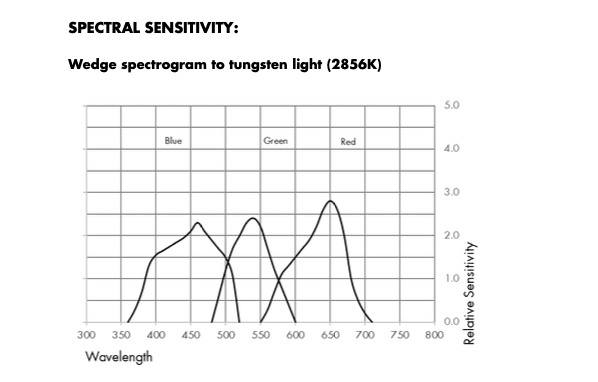
Wedge spectrogram to tungsten light (2856K)
CHARACTERISTIC CURVE:
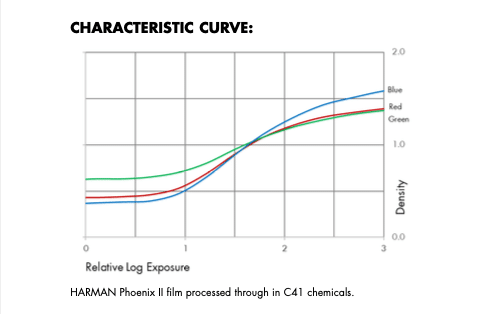
HARMAN Phoenix II film processed through in C41 chemicals.
PROCESSING:
HARMAN Phoenix II film is processed in the standard C41 colour negative film process. This film can be processed alongside all makes of colour negative film.
Safelight recommendations: Handle HARMAN Phoenix II film in total darkness.
C41 type processing
HARMAN Phoenix II film is fully compatible with C41 type processing chemicals, both replenished (e.g. in dip and dunk or roller transport processors) and unreplenished (e.g. in spiral tanks or with Jobo one-shot rotary processing). The film can be put through standard C41 lines with no adjustment to processing speed, temperature, or replenishment rates.
Drying
If processing by hand and to avoid drying marks, use a clean squeegee or chamois cloth to wipe the film before hanging it to dry. Dry the film at 30–40°C/86-104°F in a drying cabinet or at room temperature in a clean dust-free area.
Machine processing – use default C41 machine settings.
Push processing is not recommended for HARMAN Phoenix II.
STORAGE:
For immediate use, store HARMAN Phoenix II in a cool (10–20°C/50-68°F), dry place in its original packaging. HARMAN Phoenix II may be stored in a fridge/freezer but allow plenty of time for the film to acclimatise prior to use.
Exposed film
Once exposed, process HARMAN Phoenix II as soon as practical. Exposed films should always be stored in cool, dry conditions – as recommended above.
Unexposed Film
Store unexposed film in the same way as other colour films, i.e., in a cool (10–20°C/50–68°F), dry place in its original packaging.
HARMAN Phoenix II Technical Information
Store processed negatives in a cool (10–20°C/50-68°F), dry place, in the dark. Suitable storage sleeves include those made of cellulose triacetate, Mylar, paper (pH6.5–7.5) or inert polyester.
Correctly processed HARMAN Phoenix II negatives usually have a magenta / purple tint, although the exact image colour will depend on the method of processing.
Unlike some negatives HARMAN Phoenix II emulsion has a glossy surface. To determine the emulsion side, view the negatives towards a light source, with the edge signing reading correctly the emulsion is facing away.
You can read more about the technical information at https://www.harmanphoto.co.uk/harman-colour-film
Shooting Harman Phoenix II
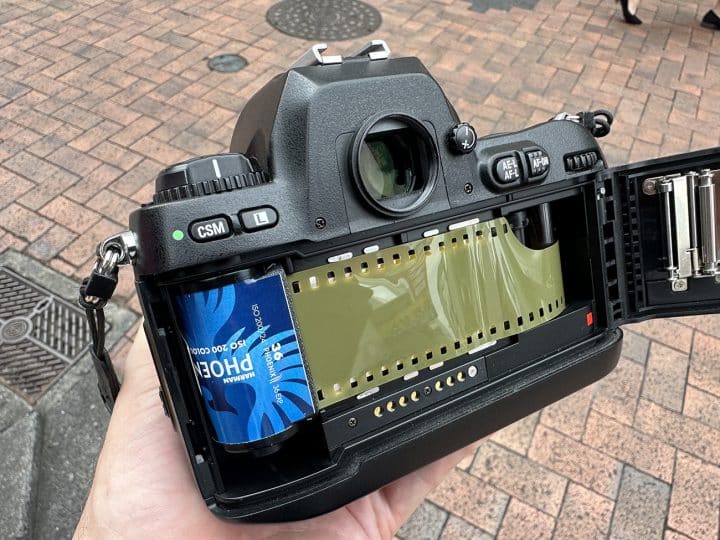
I was very excited to start shooting Phoenix II, but it seems like the film gods conspired against me. The weather has been terrible, with a typhoon dragging itself across Japan, which made the conditions not great for showcasing the film. But I persevered and went out shooting with a lovely Nikon F100. Please note I am aware my photos are absolutely rubbish, so please be nice.
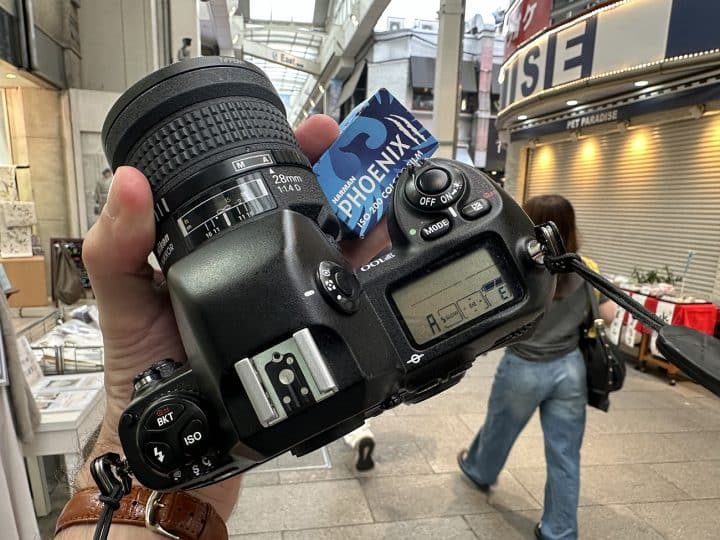
Unfortunately for me the developing proved to be an issue. I went to a couple of my local places and they simply would not touch the film. This has become an issue unique to Japan, if they don’t know the film they will not touch it as they are tired of getting boof OEM films that damage their machines. As Pheonix is an unknown they refused to accept my film. So for the first roll I devved myself in the office.
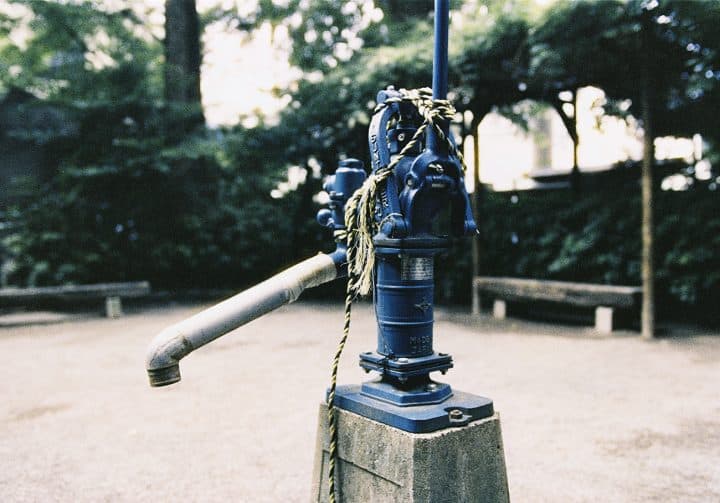
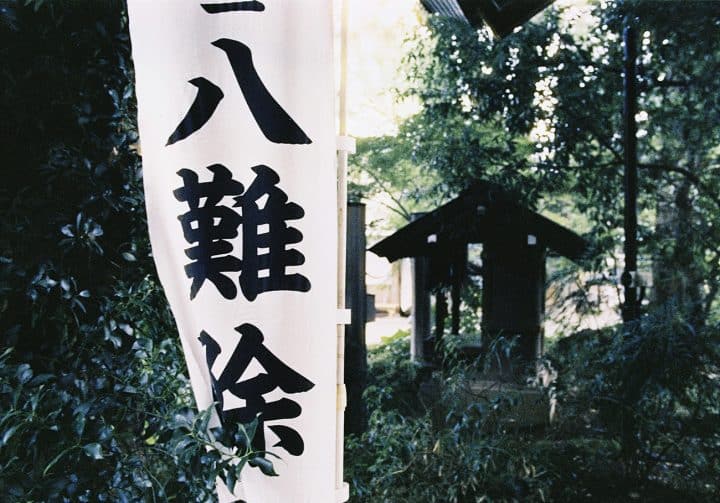
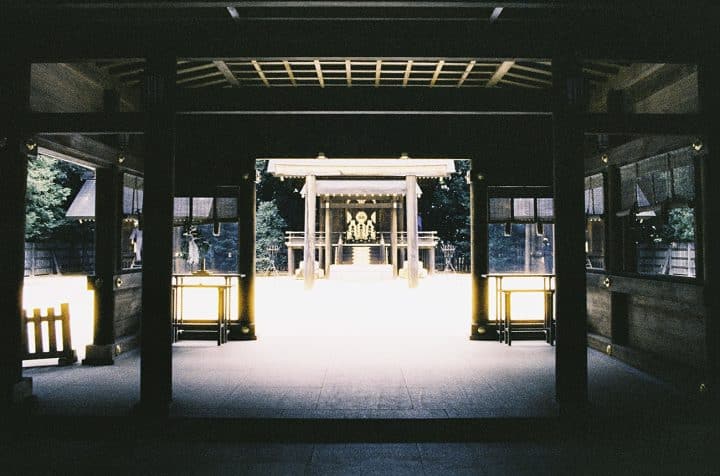
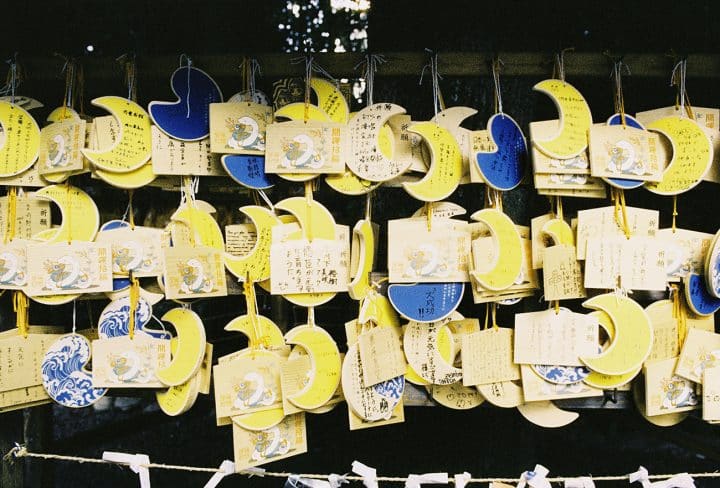
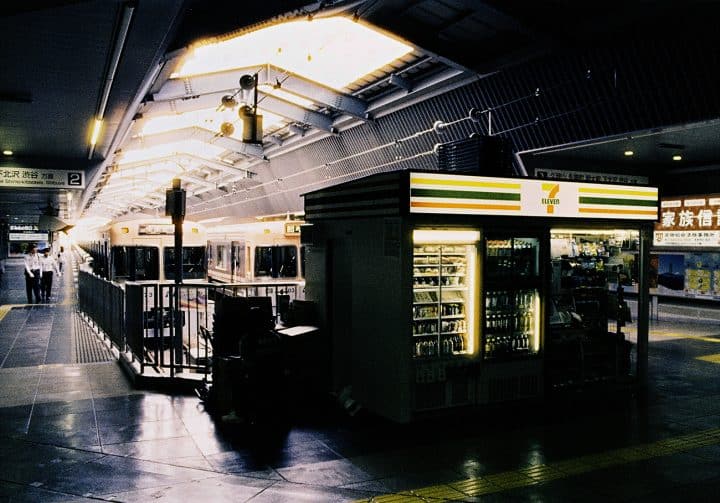
Well, the gods were not smiling upon me as it seems like my developer is turning, as the results were not great. The colour shift is quite extreme and there is a lot of grain and halation. I don’t believe this is representative of the film. Top tip, make sure your developer isn’t cooked like mine was. Lesson learned.
I din’t have a lot of time before the release, so I had to hustle out in a typhoon to get some more shots. This time I was shooting with my trusty Canon Autoboy. I made the trek out to Photo Ueno in Shibuya, as they are the best in the business and could do the developing for me without hesitation, they even promised not to tell a soul. Good on you Photo Ueno.
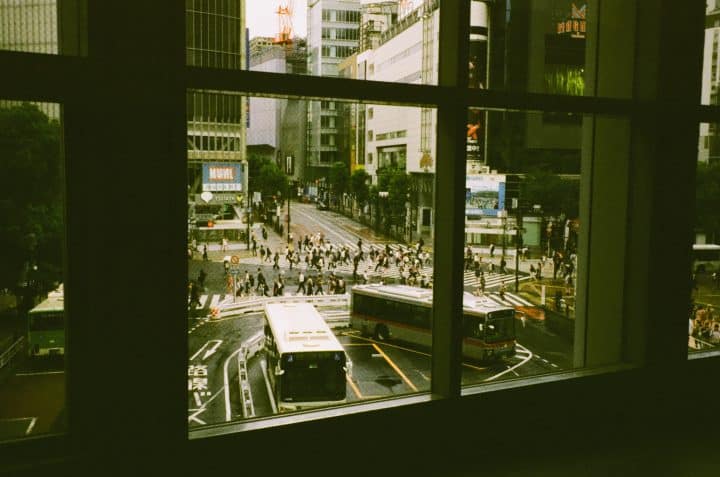
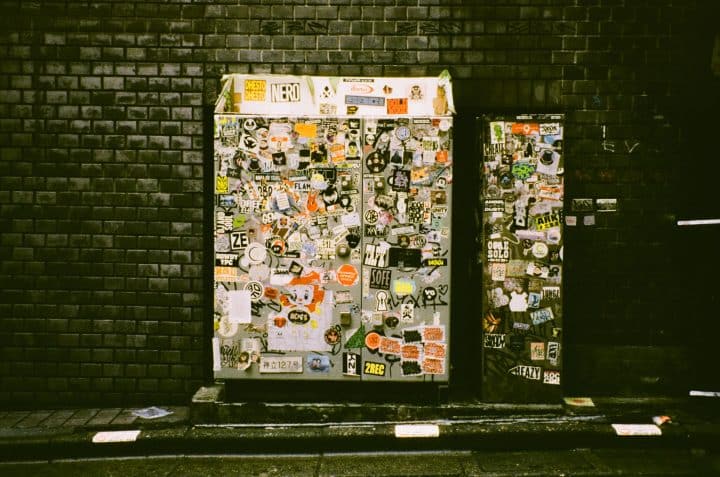
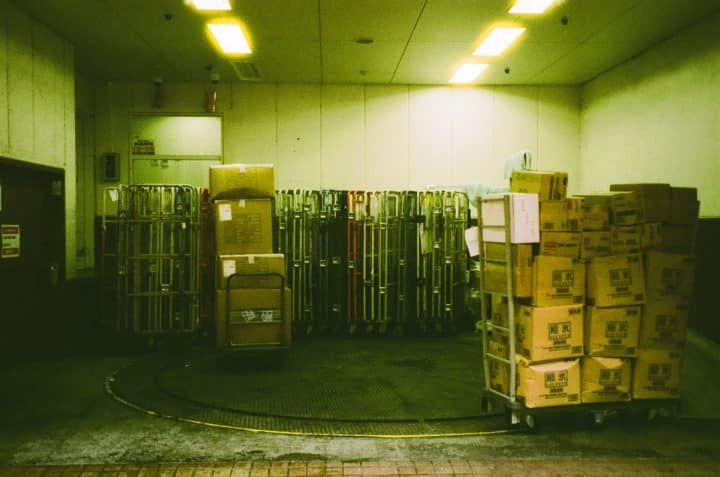



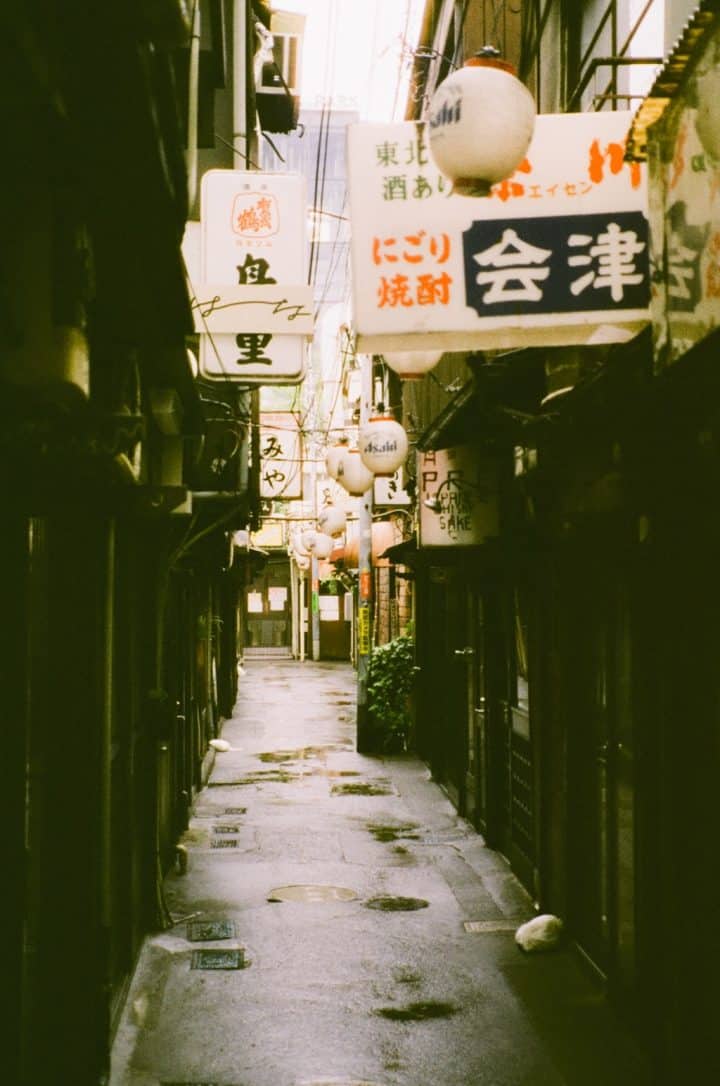
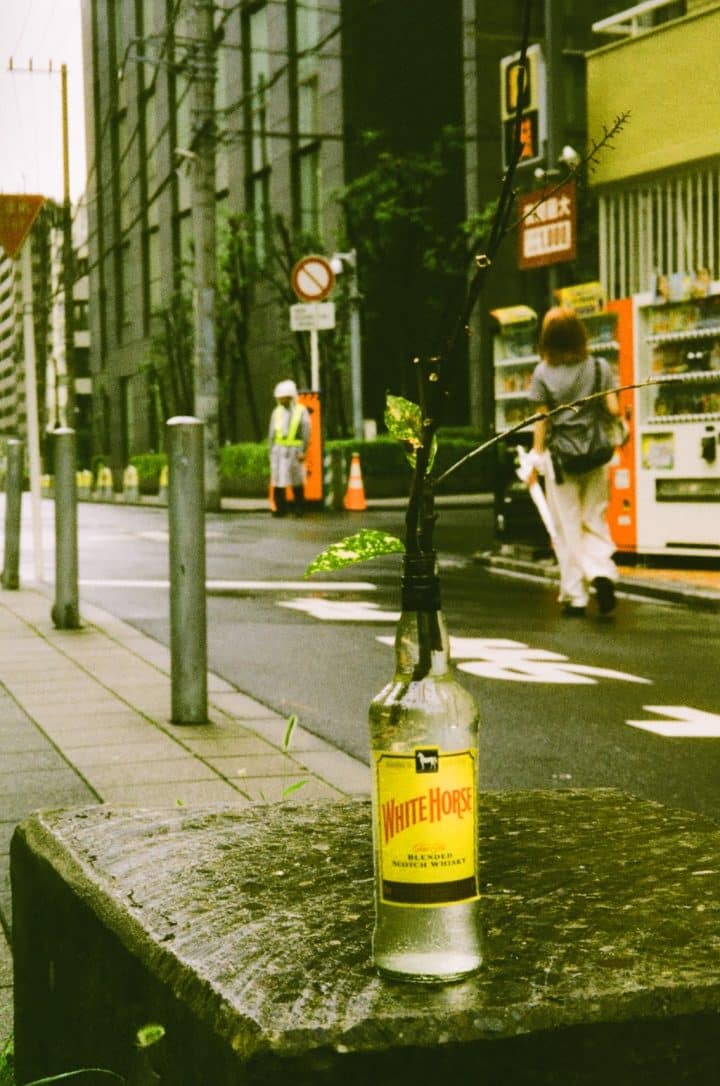
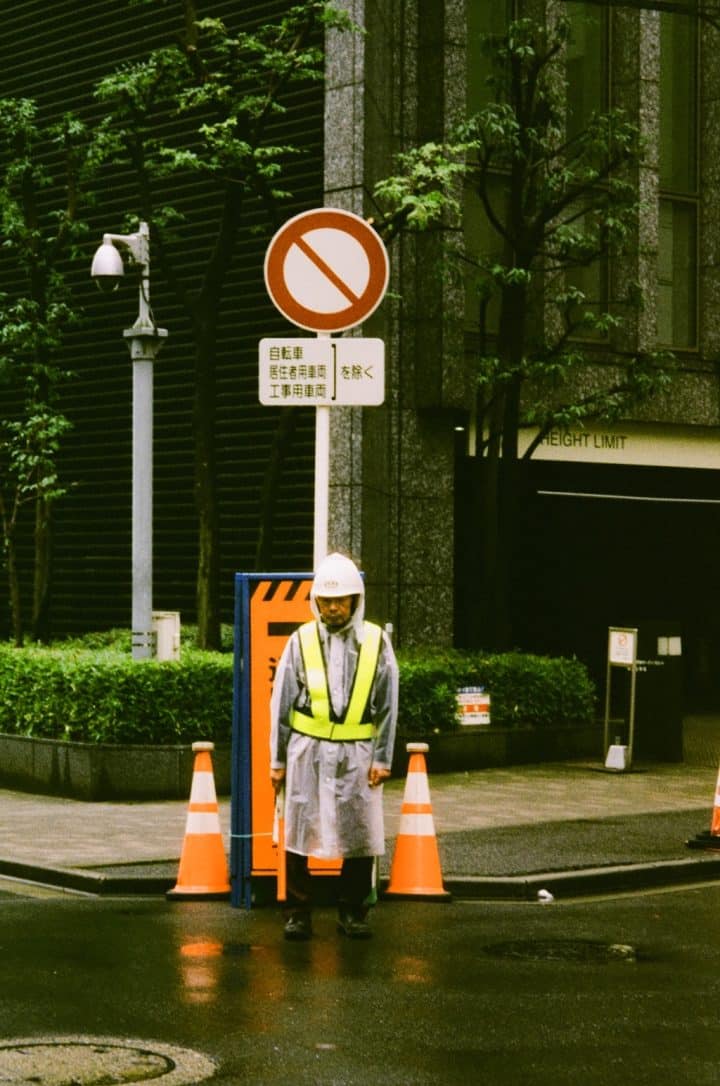
The results from having the film professionally developed are much better. The shift is far less extreme and the grain is manageable. I actually got a couple of shots that I like out of the roll.
There is a more blue tint than the Previous Phoenix, and it does seem to handle colors a bit better. There is still halation, though it has improved. I think some of these color shifts could be handled when scanning to get the optimum results from the film. Harman has provided information to optimize scanning so I expect some people will get some really great results.
Conclusion
As previously this is a film that is undergoing improvement. Harman have a roadmap and they are making steady progress. Making a new film from scratch is difficult and very expensive. By releasing this film they are getting the community involved with the development of Phoenix.
Harman have stated that they are making significant investment in the manufacturing process and they have managed to keep the price of this film very reasonable. By buying this film you are supporting the future of film photography, which is a great thing. Is it too much to dream of a reversal from Harman in the future?
I like the tone of the film, I think I will be shooting plenty of this as it has a great deal of potential. It reminds me of some of the color film shots from the 90’s. Kudos to Harman for making this and taking a step that many are afraid to.
JCH