Two old cameras, no longer oceans apart
A story of cameras, war and love by Greg Pierce. This piece is wonderful and heart wrenching at the same time. Two old cameras, no longer oceans apart.
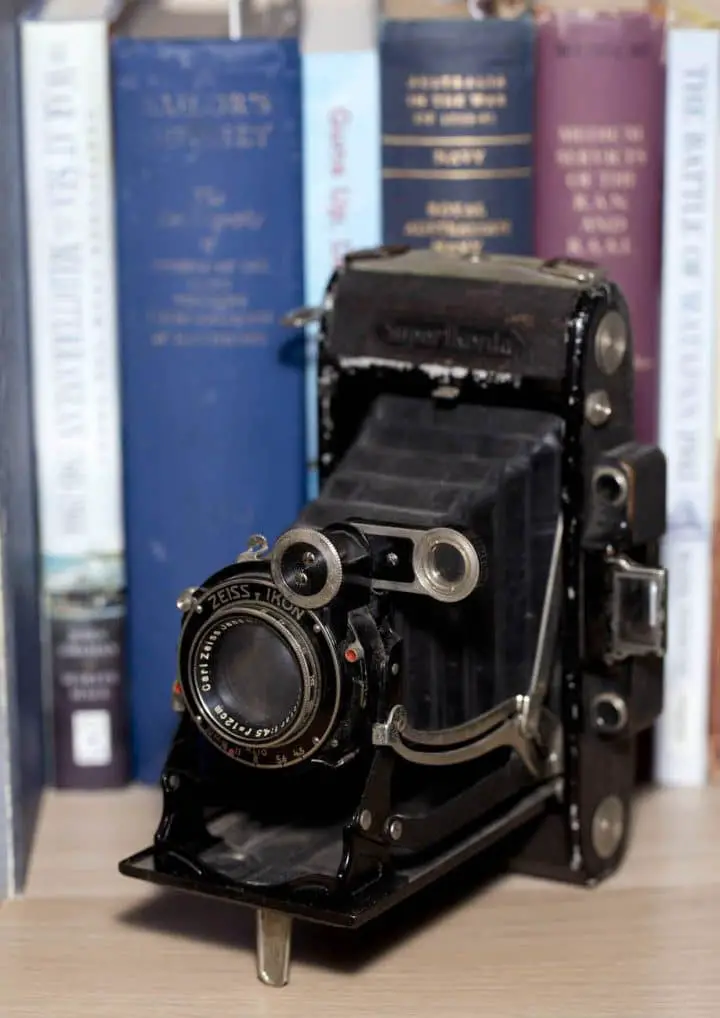
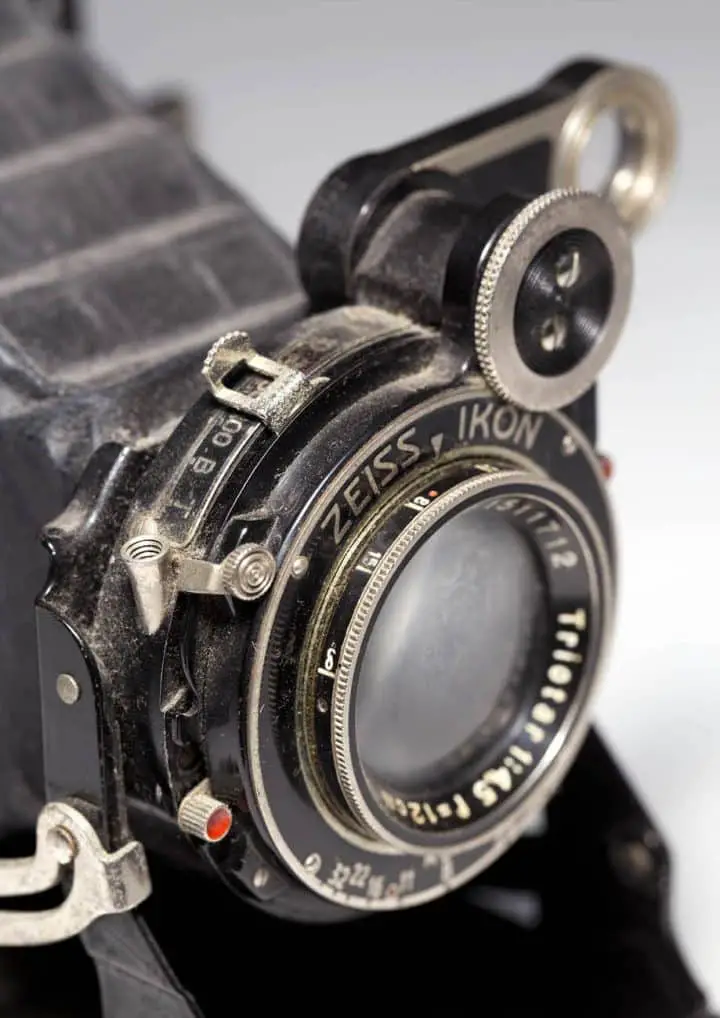
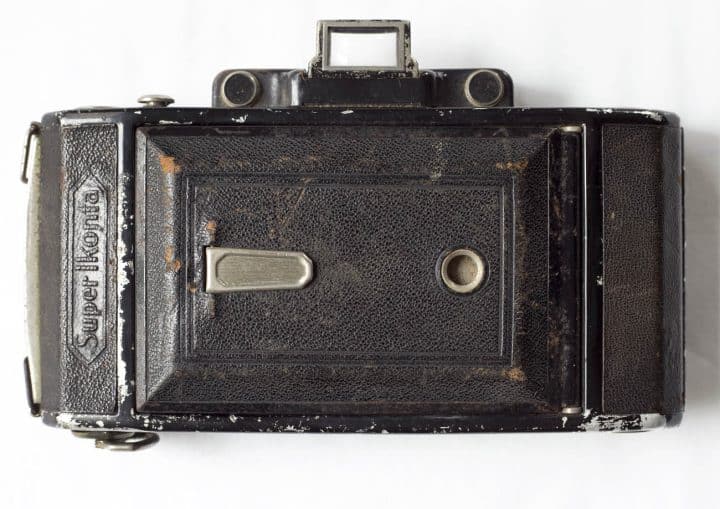
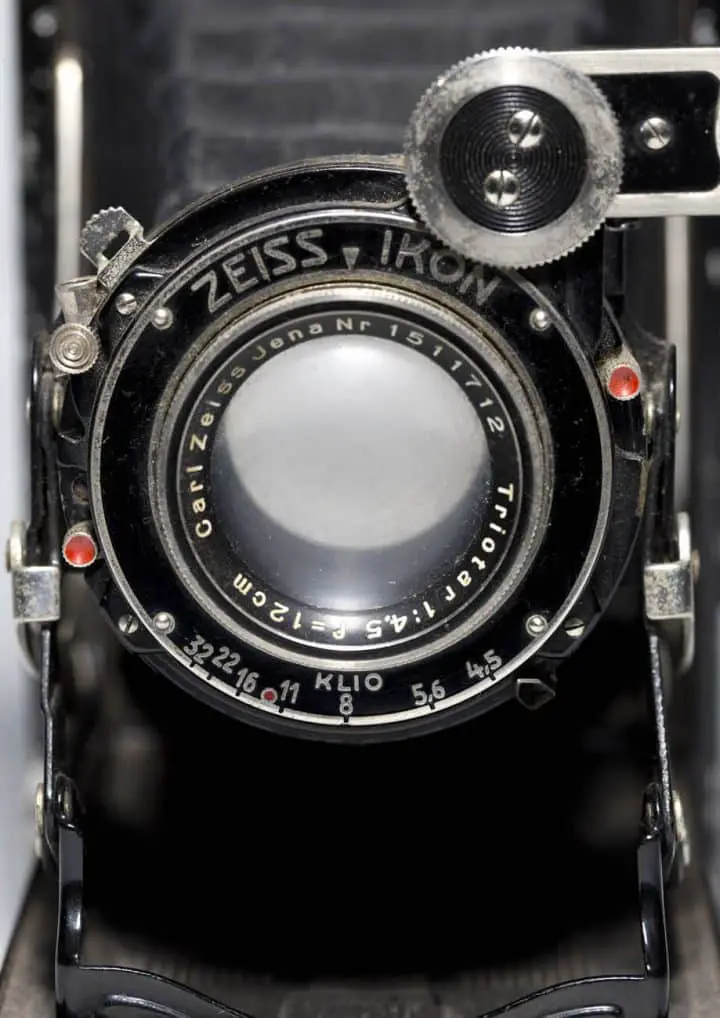
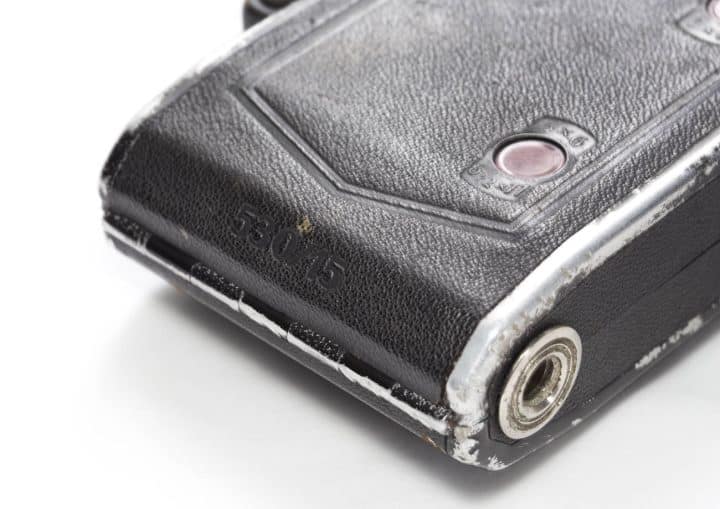
In early 1935 my grandfather, Jack Cleaves entered a store in Sydney Australia and purchased this Zeiss Ikon Super Ikonta 530/15.
Jack and my grandmother Marion were expecting their first child Valerie, my mother. Like so many new parents over the years, Jack wanted a good camera to take ‘snaps’ of his young family and the Zeiss seemed to fit the bill. Jack was also sailor in the Royal Australian Navy which saw him spend long periods away and no doubt he wanted pictures of his family to remind him of home.
Super Ikonta
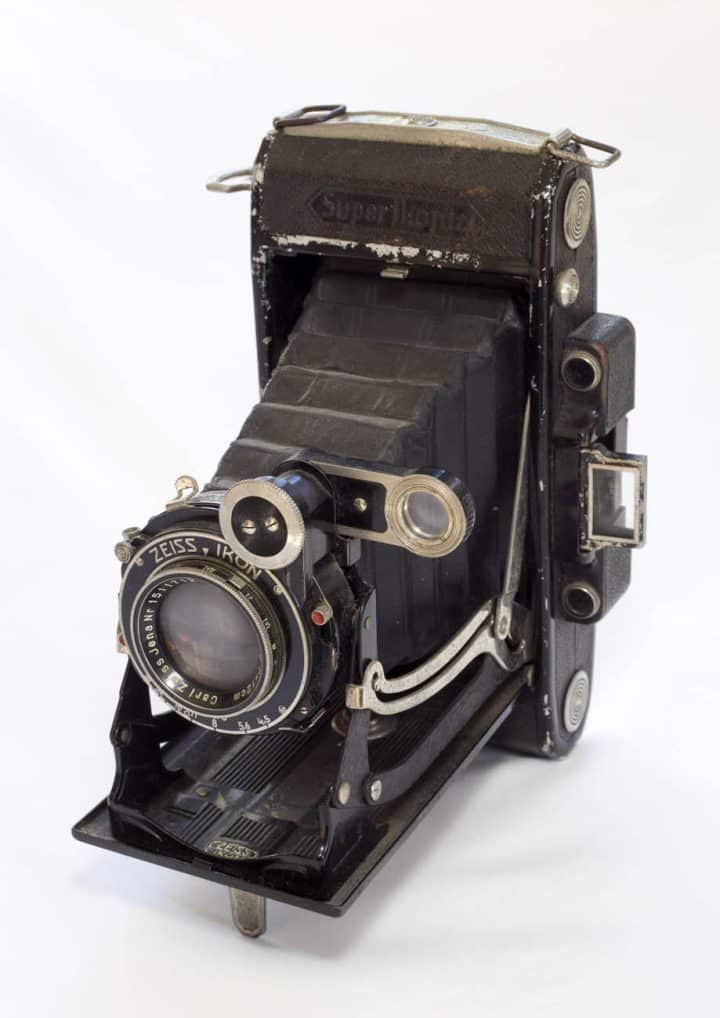
For it’s time the Super Ikonta 530/15 was a very good camera. It has a 12cm f4.5 Triotar Carl Zeiss lens made in the legendary Zeiss Jena factory. At a time when most commercially processed ‘snaps’ were contact printed, Jack chose the larger 530/15 model which took 116 film, giving him negatives and prints that were 11cm x 6 ½ cm.
Advanced features included a self-cocking shutter and built-in coupled rangefinder, although he needed to use of a second viewfinder for composing the image.
The other highly desirable feature for someone who wanted to be photographed with his growing family was the built-in self-timer. All this folded up into a strong aluminium body which would protect the camera and ensure it didn’t take up too much space in his locker on the ship.
Family
In January 1939 Jack and Marion welcomed their second daughter Patricia into the family, and the frame of the Zeiss Ikon. Later that year, they were separated by grim world events when on the 14th October his ship, H.M.A.S. Stuart was amongst the first Australian units to deploy into World War II.
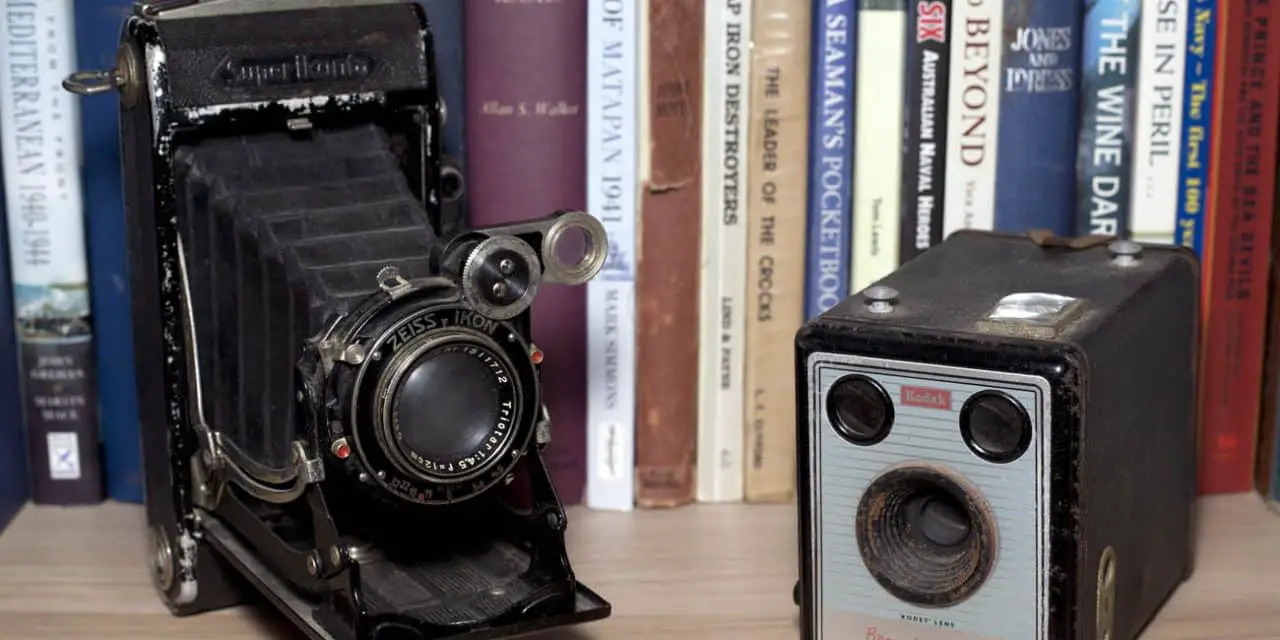
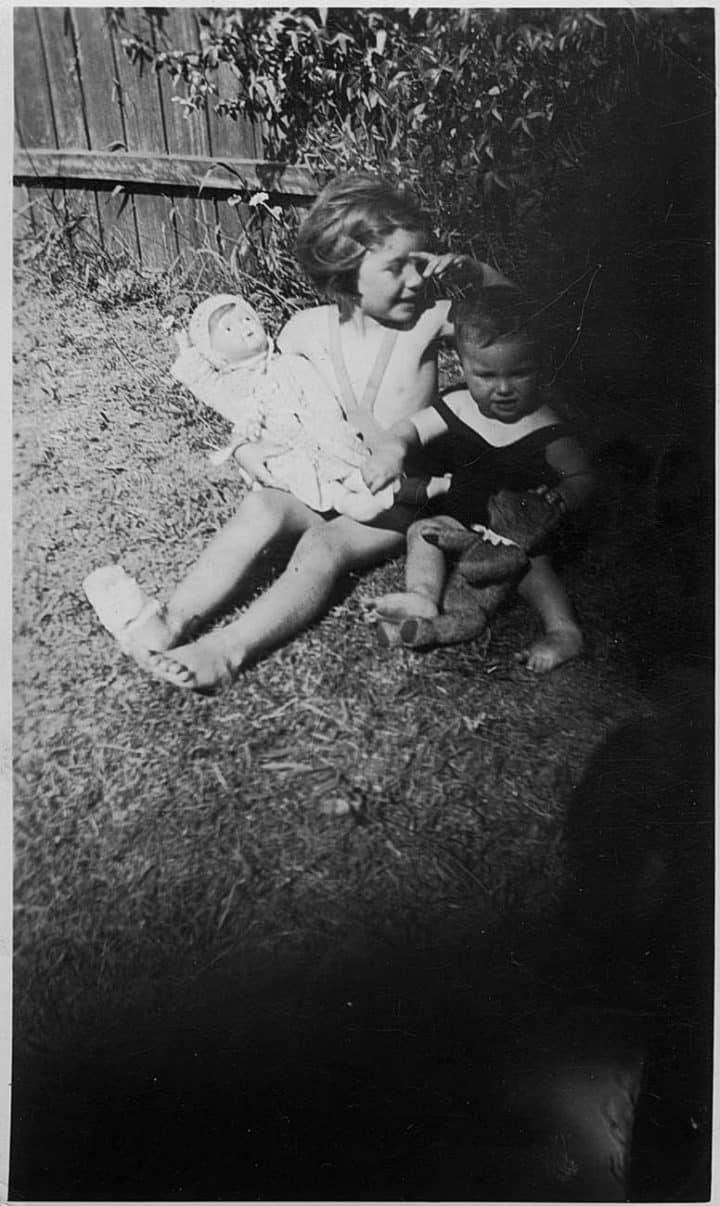
Whilst he was away, Marion and Jack exchanged ‘snaps’ in their letters, Jack’s taken on the Zeiss Ikon whilst Marion used a Kodak Box Brownie.
25 February 1940
“To My Dearest Wife,
I have just received three of your most loving letters & I’m the happiest man on the ship. The snaps are very nice & they look the picture of health. I’m also glad to know that you have company & they are nice people. It looks as though we will be away a few months longer, that’s looking on the brightest side of things…..”
H.M.A.S. Stuart
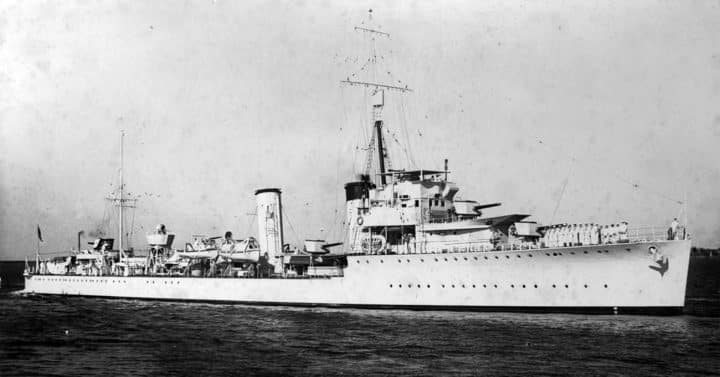
Jack’s first World War II deployment was two long years which took their toll. Stuart was a small ship, 100 meters long, 10 meters wide and displaced only 2,000 tons.
She punched through gales more dangerous than the enemy with 75 km/h winds that built six-meter grey-green walls of water. Such storms damaged the ship’s upper works, and the mess decks below became worthy of the name. Personal items and clothing tumbling out of overhead storage racks and sloshed around in salt water under foot.
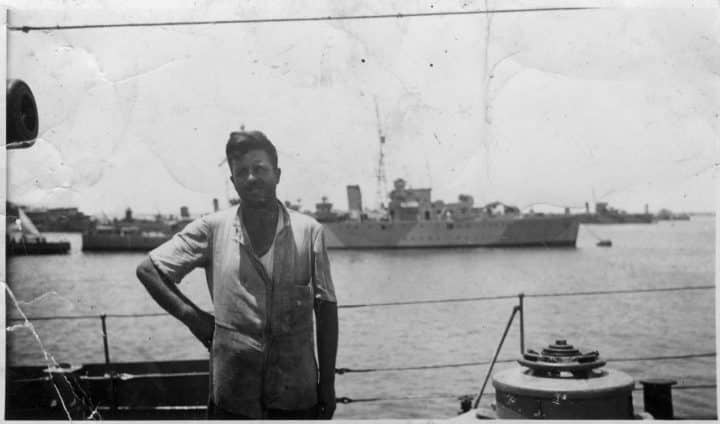
The silvered edges of the Zeiss testify to quite a few scrapes and fogging within the lens shows the camera was used in a damp salty environment.
Stuart’s crew saw heavy fighting against ships, submarines, and aircraft in the Mediterranean Sea. They provided the troops ashore with gunfire support, brought in supplies and evacuated the wounded. They also rescued downed airmen and drowning sailors, both friend and foe.
Jack
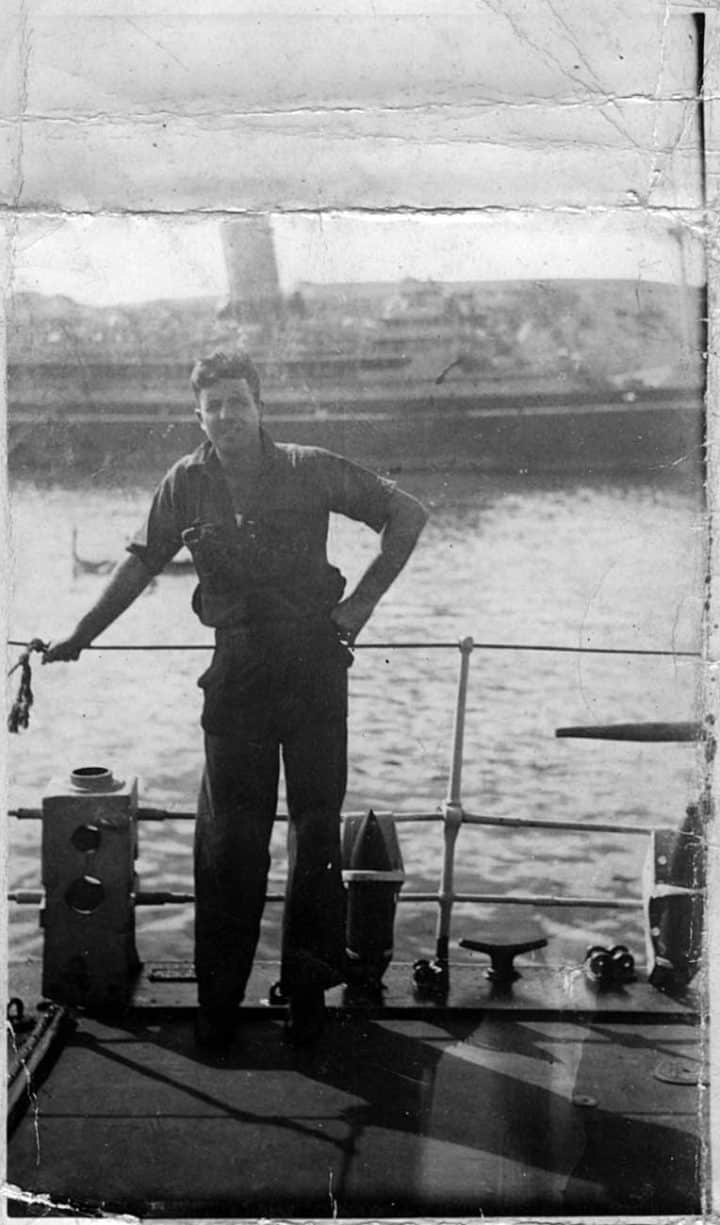
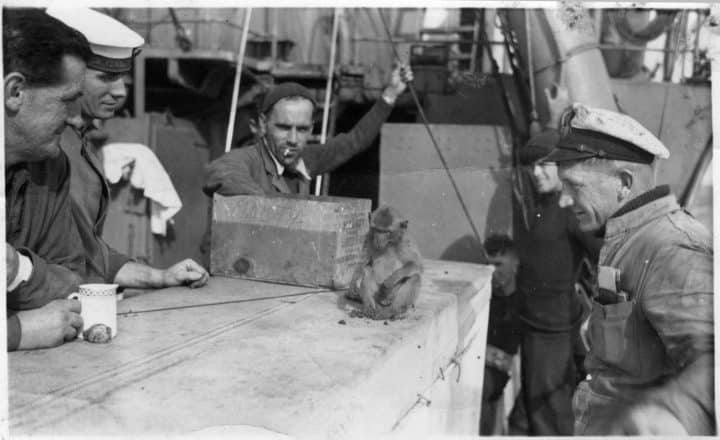
My family only have a few of the photos Jack sent home, things he wanted his family to see. The self-portraits were to show Marion he was still fit and well. To his girls Valerie and Patricia, he sent photos of Chico the ship’s pet monkey who they named after one of the Marx brothers. There is also a self-portrait with his pet canaries in a cage resting on the anchor winch at the bow.
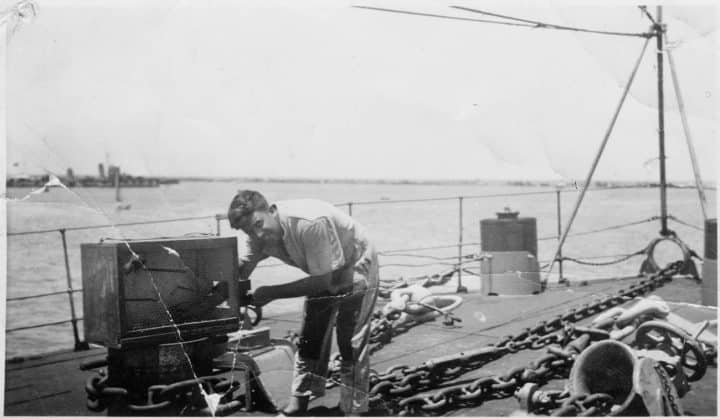
Sometime in late 1941
“To my Dearest Wife
Just a short note to let you know I’m still alive & well. Hope this will find you all the same.
Did you receive the snaps, the two of the prisoners was for Valarie to keep, it was taken on our ship. I must send her some that she can take to school & let the other children see what us “Aussy” have been doing in this part of the world.
At present we are in great hopes of returning to home for a spot of leave. It’s the first time that there has been the slightest hope my word & I am looking forward to my leave…..”
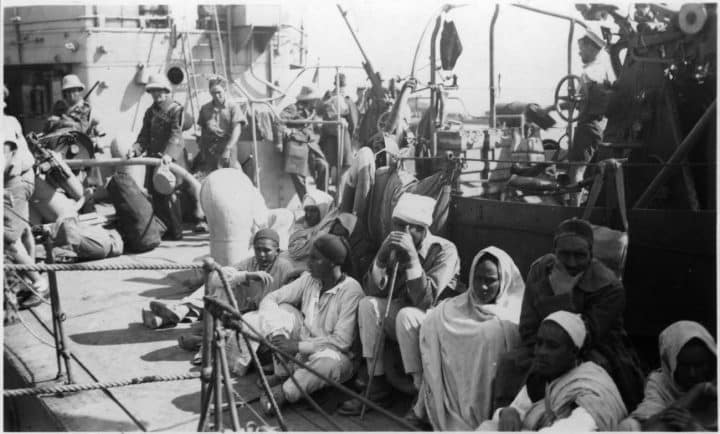
Prisoners of war
In July 1941 whilst evacuating wounded from the besieged port of Tobruk in North Africa, Stuart’s Port side steam turbine blades came away from the shaft and that’s what finally did it. They were allowed to go home, slowly, carefully, and by themselves on their remaining engine.
When Jack returned to Sydney he came by train from Melbourne where the ship had docked. Valerie asked her mother if she could take a photo of her father with them when they met him at the station so she would know what he looked like, a photo he may have taken himself with the Zeiss.
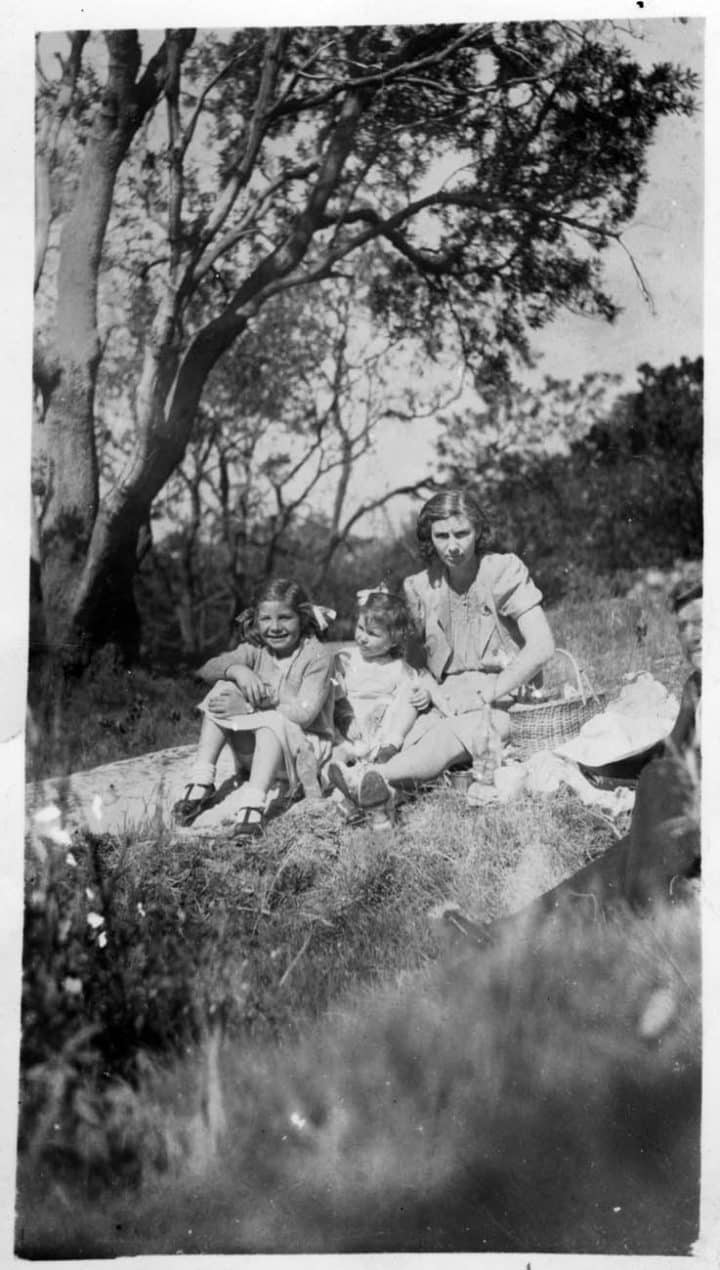
Sydney
Jack, Marion, and the girls were finally able to spend some time together as he worked on Stuart during her re-fit in Melbourne in early 1942. Then Jack was posted to another ship, H.M.A.S. Canberra and the family moved back to Sydney.
Late on the night of 31 May 1942 Sydney harbour came under attack and a policeman knocked on Jack and Marion’s door. Jack was recalled to his ship which was raising steam to sail. In his rush to leave, Jack left behind his watch and his Zeiss camera.
He thought he’d only be gone a few hours, but Jack never saw Marion and the girls again. Three months later he was killed alongside 84 of his shipmates in the fighting off Guadalcanal, he was 29 years old.
Two old cameras, no longer oceans apart
Every name on the memorials of every country belongs to a family. On my bookshelf I keep these two old cameras side by side as a reminder of my grandparents who’s love for each other bridged the world’s oceans with letters and photographs.

Thanks to Greg for sharing this beautiful and personal story. It is wonderful that the cameras are re-united and still bring such memories.
JCH