
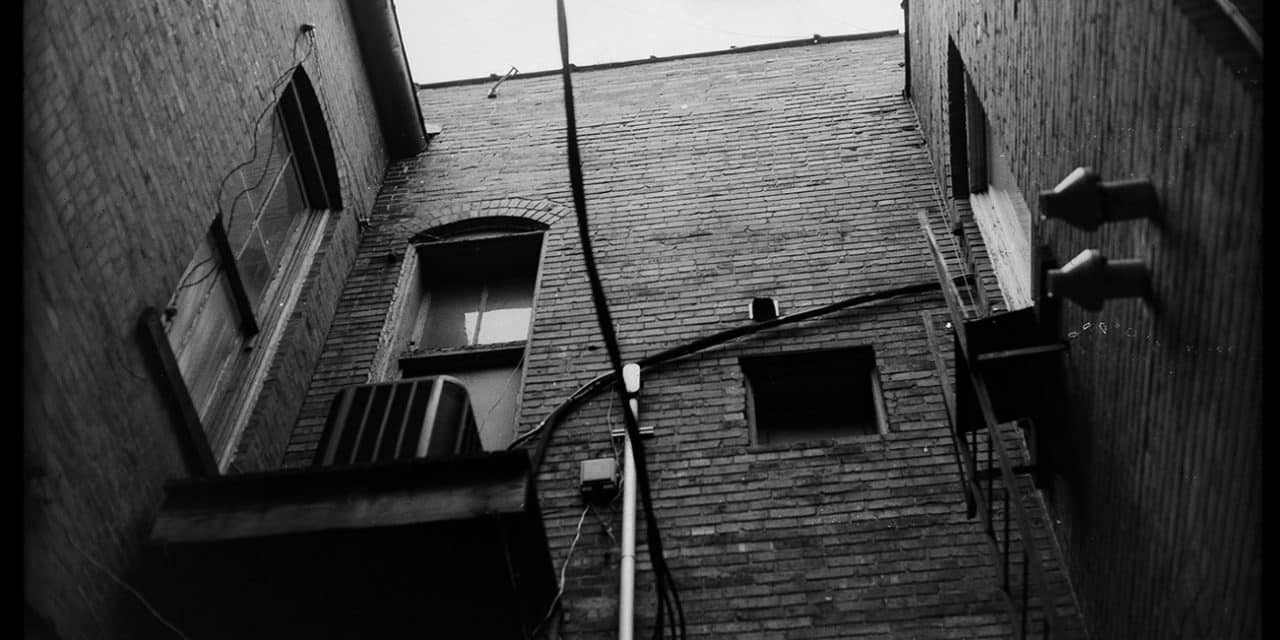
Shooting 4×5 Handheld by Patrick McBride
When I walked into my local camera store and asked to see their graflex to shoot handheld 4×5, many understandably thought I was absolutely crazy. Large format is not the format that you can easily run around and shoot like a compact camera; it’s a bit of a unicorn format nowadays. There are the challenges of the larger format, how to focus such a large camera quickly enough, the sheer weight, and the inconvenience of film holders, just to start.
It’s possible though, as press photographers of the 30s, 40s, and 50s used them quite well. If you’re looking to adjust your ASA and development to best suit each shot, or to get some truly unique street photography, then this is undoubtedly the way to go.
Barriers
One of the biggest barriers to shooting large format more quickly is the ground glass. Having to check focus with a loupe for each shot really hinders the types of photos you can take. Some camera manufacturers in the 20th century decided to sidestep this focusing method completely by creating coupled rangefinders to allow for much more rapid focusing, like the famous graflex speed graphics or crown graphics, and linhof technika cameras, among a few others.
Speed
Another is light. The speed of large format lenses is much slower than 35mm cameras. Fast apertures are typically f/4.7 to f/5.6. With the shallow depth of field of large format cameras coming into play, you also must stop down more to get good lens performance with the older lenses that most often are properly coupled to the rangefinders. Exchanging a modern lens of the same focal length is possible, but then you lose accuracy on your rangefinder, as rangefinders are paired to the specific lens that came with the camera.
Crunch
Film holders are a challenge unique to large format cameras. They’re much more difficult to handle than the simple flick of a film advance. Many Graflex cameras are durable enough that you can really rip the film holders out and jam them in if you want to make a shot with a time crunch, but it’s easy to make a mistake when setting up the camera or resetting the shutter and ruin a sheet of film.
The biggest challenge that doesn’t really offer a compromise is the size and weight of the camera. It’s a much larger format so this is unavoidable. Folding press cameras help with this a little by offering hand straps and the ability to fold the camera into a compact, durable box.
Advantages
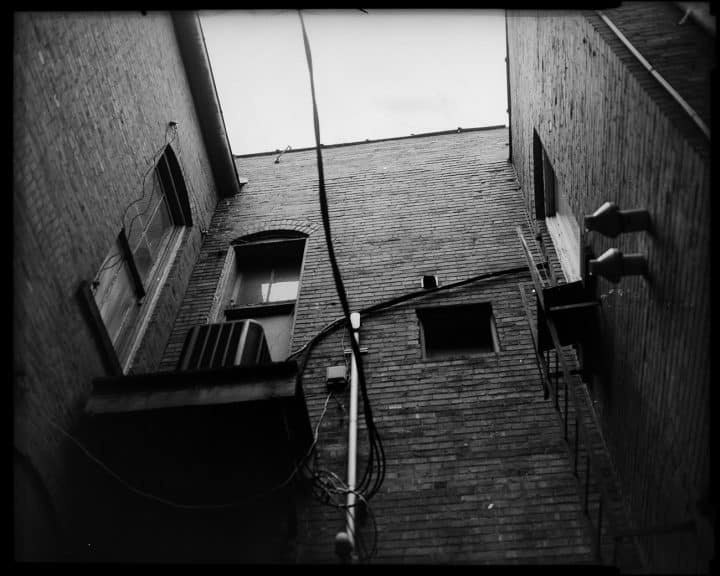
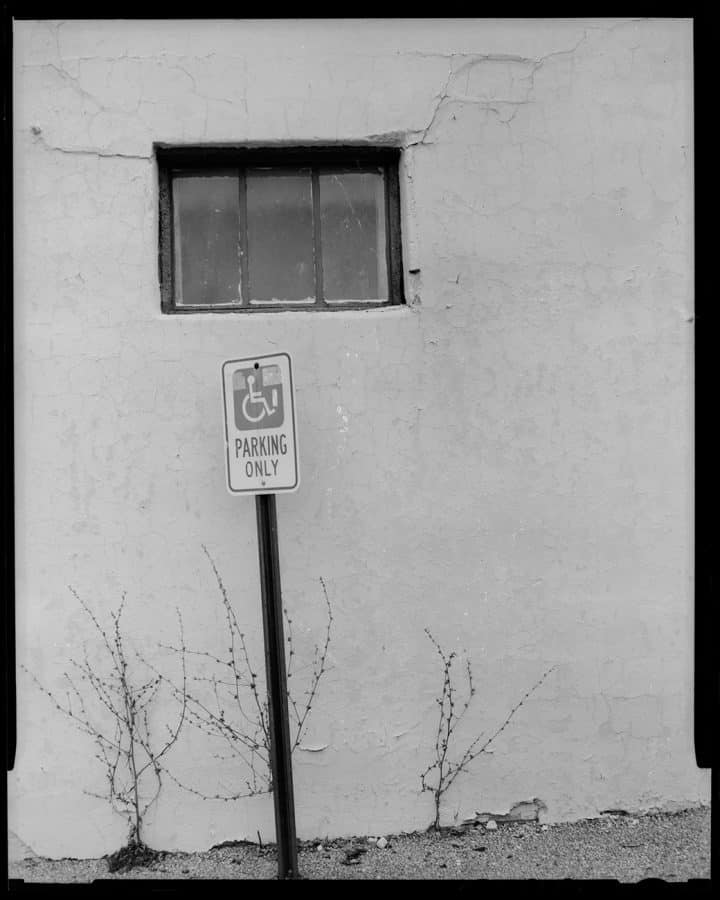
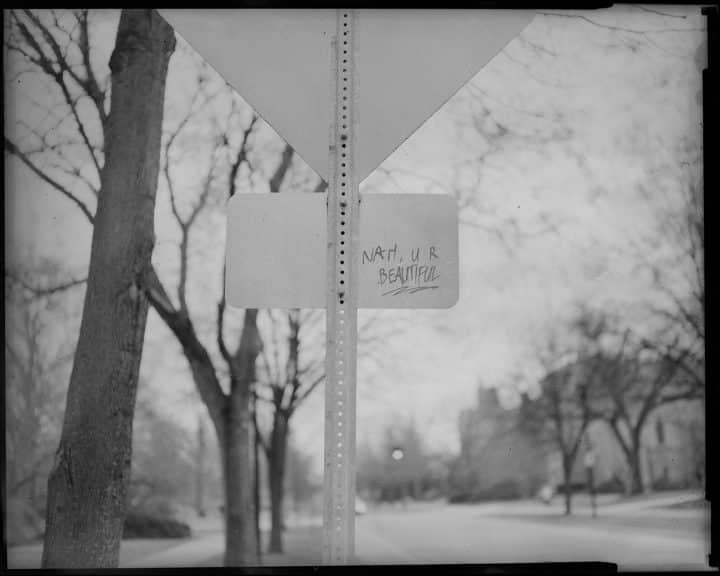
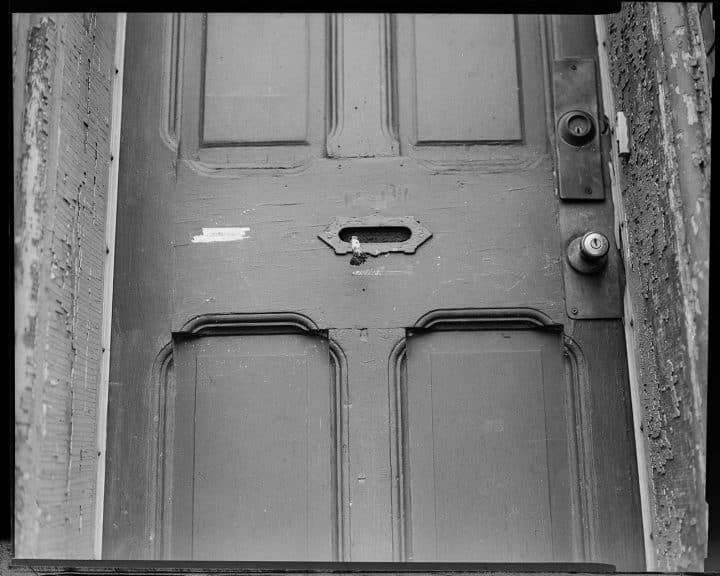
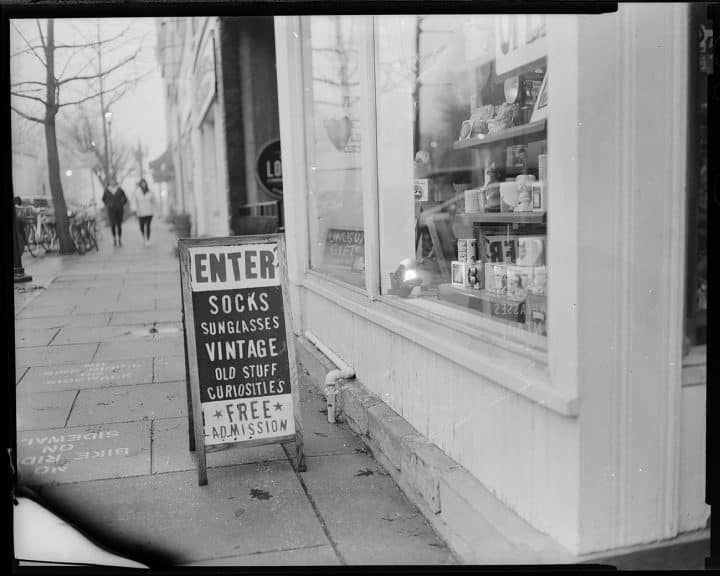
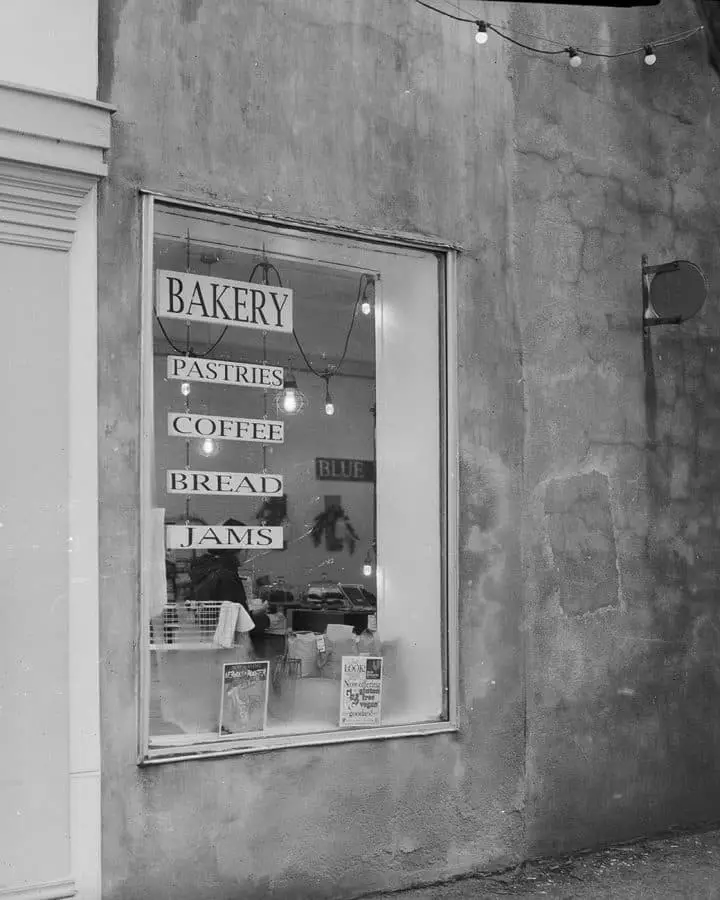
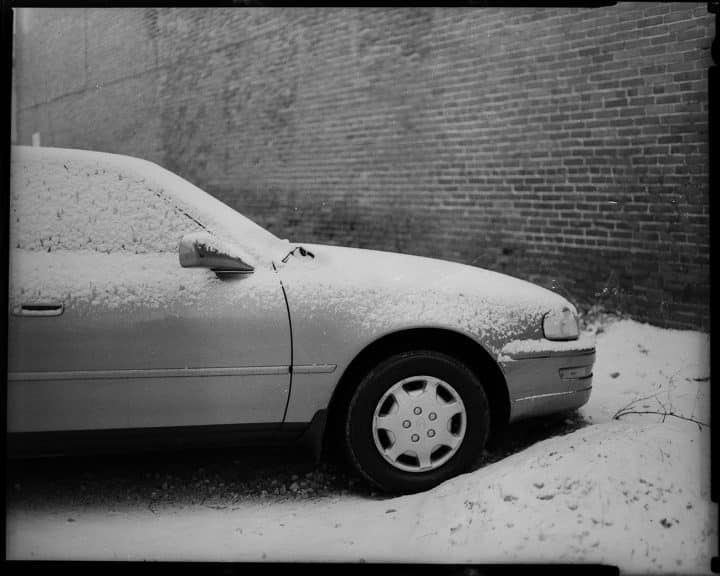
With all these disadvantages, you may be wondering why in the world anyone would want to shoot this format handheld. If you’re disciplined in how you set up and handle the camera, and don’t mind carrying a much larger camera, there are some advantages you can’t get with other formats. There are all the advantages of a bigger negative, the beautiful tonalities that come with it, the unflinching detail of large format and the magic of seeing the unique style of large format in scenes usually reserved for smaller cameras. I could wax on about the advantages for pages, but the most effective way is if you take a look and let the pictures do the talking.
About me
I’m a violinist and computer science undergrad student, as well as an amateur photographer from Columbus, Ohio. I began my journey in photography in the summer of 2017, and quickly fell in love with shooting with film. While I don’t have the kind of time for the photography that I’d really love to do, I enjoy fitting it in and around the rest of my schedule and documenting odd and quirky things that catch my eye.



Press photographers used Graphic 45 Grafmatic Sheet Film Holders, which holds six sheets of film and allows quick changes by shuffling the film septums, the metal film holder. This holder replaces the ground glass, so another finder needs to be used to frame and focus. These holders are still available secondhand, but the septums need to be in good condition (flat) in order for the holder not to jam. These holders make shooting a Graflex fast.
For contemporary work, David Burnett is well known for shooting a 4×5 Graflex for journalistic work. He used one with a Kodak Aero Ektar to shoot the US presidential campaign and the 2012 Olympics, you can Google it. The Aero Ektar was an aerial lens, but with an f/2.5 aperture. It is not the sharpest lens ever made, but has a very unique signature. They are heavy, but,more importantly, radioactive.
Years ago I shot quite a lot with a hand-held 4×5 Speed Graphic. Depth of field with a 127mm lens was the biggest bugaboo. Unless you put the camera on a tripod and use the grounglass, you must use the Kalart rangefinder properly, and it helps to shoot at smaller apertures., hence faster film; for b&w, 100 to 400 ASA. Weegee did it well, so we can,too!
I’m a view camera novice with a Chamonix 045F-2. Lately I have wished it could be used hand held. But as you pointed out the lens and the rangefinder are paired. Wisner makes a honey of such a camera. But the price! And when complete the Linhoff will cost considerably more.
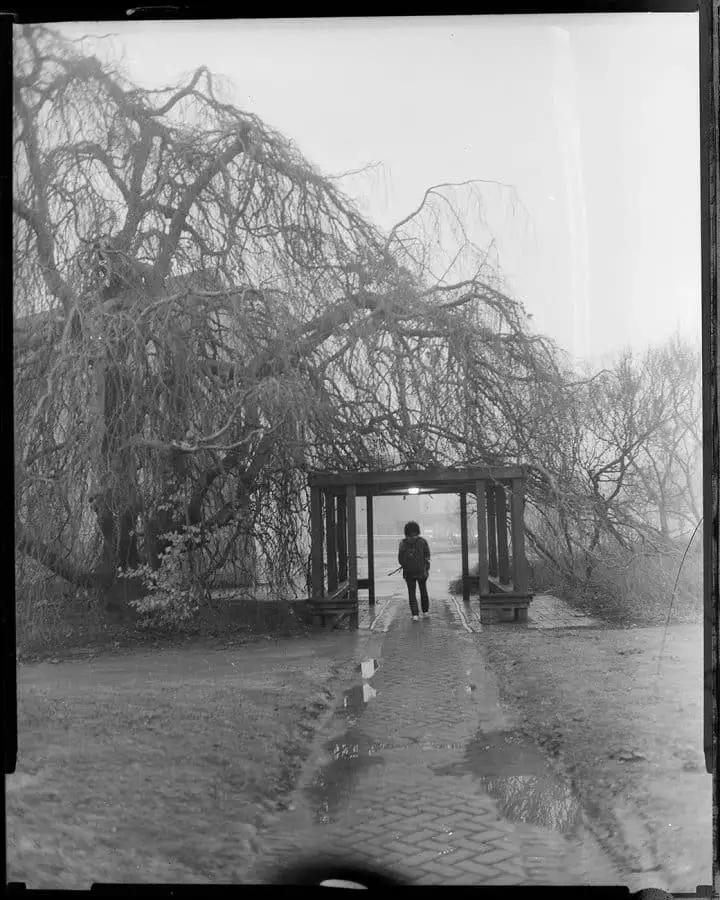
I really enjoyed the read. That shot of the leafless tree overhanging a shelter with a pedestrian walking through on a dreary wet day. Righteous!
Please excuse the error. That is a WISTA camera, not a Wisner camera.
Thanks. Old age sucks. I am going to hate it.
Shooting 4×5 handheld is easier then ever before. With 3d printing technology some companies are making small and lightweight 4×5 cameras.
One of the first was the Wanderlust Travelwide (kickstarter). Their site is still up, but I heard some strange stories surrounding the kickstarter project (people not getting their camera).
Lately I found the MALEFiC cameras (https://www.maleficwares.com/), a company from Italy that sells affordable 4×5 and panorama cameras.
These 3d designs have there limitations, but can produce absolute stunning results.
Thanks for the link to Malefic Hans. A very creative group of people. Their printed 5×7 looks like it’s from the future. And quite low price.